Montag, 6. Januar 2014

扑克牌高手教你:如何笑到最后

  即使是抱着赌博的心理踏入投资界,也有人的“赌运”比一般人好。为什么有些职业“赌徒”比平常人表现得好?因为专业的赌徒了解每场赌局的成功几率,据此相应地评估下注。他们知道何时要全部押上,何时要抽身离开。他们是否稳赢不赔?当然不会,可他们了解怎样尽量控制损失,尽量生存得久,成为笑到最后的赢家。这篇文章归纳了十条扑克牌高手的经验,让我们看看这些经验之谈有何参考之处。
 
  1、要占据一种优势。
 
  知名基金经理彼得·林奇(Peter Lynch)说过:谁要是不做任何研究就投资,那好比去打比牌面大小的梭哈扑克,却从来不看亮了什么牌。这话对极了,扑克高手和一般人的区别在于,前者更冷静,后者更情绪化,而且专业知识没有前者多。金融市场是一盘很大的赌局,高手会利用那些因为太情绪化而无法做出冷静决策的人,或者那些因为手头信息不够多所以不能放心接受冷静决策的人。
 
  2、不止在一个领域开发专长。
 
  在金融市场,偶尔赢和常常赢的区别在于,能否适应不断变化的市场环境。没有哪种投资风格年复一年始终吃香。所以我们就可以理解,谁要是依据共同基金的过往业绩跟风投资,通常会成为10-20年内最失败的投资者。
 
  灵活性是长期投资成功的基石,不愿顺应形势而变的投资者注定死路一条。如果能拥有一种方法,像适用于所有类型应用的操作系统那样通吃,你就可以脱颖而出,利用弱者的错误获利。
 
  3、找出别人和你反向押注的原因。
 
  如果有什么是必须要记住的,那基本上就是“我们一无所知”。我们肯定能判断某家公司今天的业务怎样、今后几个月很可能怎样,甚至该公司的股价以后会上涨还是下跌。可总体上说,我们知道的不够多,因为我们一直更接近于一无所知,而不是无所不知。
 
  我们真正可以做的是制定并执行一项计划,正视现实,避免落入可能性的陷阱。某家公司的盈利明明在增多,股价却在下跌,大部分投资者不可能接受这种事,也不可能理解。
 
  在这种时候,了解什么是“未知”的就至关重要。我们必须牢记,每次交易都有人在对立面,每个卖家都肯定有买家。如果不是这样,售价就会下跌,直到出现买家,这符合供需平衡的简单道理。可是,我们不能指望对手方跟自己获得的信息差不多。
 
  你有卖的理由,他有买的理由,技术分析只是一种记录买卖双方对决的方式。打扑克的时候,你手上可能有几张A,觉得应该依靠这几张王牌,但你的对手方常常也有自己推算考量后那样配合你的理由。玩扑克有种做法叫“过牌”,投资界管这叫对冲,不管怎么称呼,都是风险管理的形式。
 
  总之,别以为自己是游戏里最聪明的人。如果股价和你的目标一致,你要愿意、舍得减仓;在股价开始下跌的时候,你要开始转变为防御策略;当你购买股票的理由发生变化,不复存在的时候,你得愿意主动叫停,消除自己的风险。
 
  4、最有利的时候尽量多赚些。
 
  玩德州扑克时,如果你觉得自己手风顺,可以将手上的全部筹码都下注。当然,这么做也有风险,如果当场有位牌友跟注,你就输了。投资时,你也可能遇到对自己有利的环境,比如市场严重超卖、市场恐慌或是估值很低。在那种情况下,如果重仓某些股票,就相当于获得回报的可能性超过了损失的“风险”,因为形势对你有利。
 
  许多投资者今天犯的最大错误就是,不论市场环境怎样,他们都在不断地把全部筹码统统押上。“风险”不过是体现了你犯错时会损失多少钱,这不是是非题,损失是肯定有的,只是何时出现而已。
 
  5、过牌常常要付出代价。& 6、知道何时撤退,把你的筹码都兑现。
 
  说到过牌,如果有朋友喜欢看“赌神”之类的片子,恐怕会脑补这样的镜头:某“赌神”用猎鹰一样的眼神扫视一圈之前跟注的几位对手,然后把手中的扑克扔在一边,轻描淡写地吐出两个字“不跟”。
 
  如果觉得光有画面还不够,我们找首配乐。上世纪70年代末有首流行歌曲叫The Gambler(可以理解成“赌徒”),首唱是肯尼·罗杰斯(Kenny Rogers),其中有这样几句歌词:哥们,你要是来赌一把,得学会正确的玩法,你得知道何时下注、何时盖牌,何时离开,何时加入新牌局。……现在每个赌徒都知道活下去的秘诀——知道要放弃什么、要保留什么。因为每手牌都有人输有人赢,你能指望的最好结果就是在睡梦中送命。
 
  对散户来说,歌里唱的倒是最棘手的。你的投资组合就等于打扑克时的那“手牌”。总有些时候,你不得不甩掉手上的一些烂牌(亏损的仓位),用一些有希望更有威力的牌替代它们。可即便如此,有时还是没法摆脱对自己不利的整体形势,那就必须离场了。这就是为什么要在投资组合里用一些风险管理措施的原因,要长期获得成功,它们就必不可少。大多数人出于感情偏好而南辕北辙,没有采取应该采取的行动,比如:该买的时候却抛了;明知有的头寸亏损还坚持持有,期望能翻本;一些在盈利的头寸又卖得太快;完全凭一时意气,没有根据逻辑分析就行动,犯下更多的错误。
 
  无论是赌博还是投资,感性的玩家总是输的那个。如果用打扑克比喻,大部分投资者犯的错误就是,他们已经在打扑克了,却没有理好一手牌。因为多数人都是通过报纸、电视或者其他传媒获得的消息购买投资,这等于赌博时下了注之后基本上就离开赌桌,开始期望自己有一手稳赢的牌,这就是所谓的“买入后持有”策略。一位出色的投资者必须形成一种风险管理的思路,也就是卖出的规矩。
 
  要实行成功的投资策略,还需要结合一套工具进行风险管理。做投资决策的时候,如果抛开情感倾向,成功的几率就会大大提高。完全按照规矩执行一项投资策略,就像职业扑克牌手那样,在自己的牌局就按规矩来。那样一来,面对瞬息万变的投资环境,你便可以成功地采取行动和做出回应。卖出的信号、趋势变化、预先确定的退出策略等会让你有机会在损失扩大以前盖牌放弃。
 
  7、了解自己的强项和弱项。& 8、如果无法全神贯注对待手头的工作,就歇下。
 
  两届世界扑克大赛(WSOP)冠军得主多利·布朗森(Doyle Brunson)曾经拿他那部被玩家们奉为扑克圣经的作品《超级系统》(Super System)开玩笑。他说,在敲定《超级系统》这个名字以前自己想到过两个书名:一是“我怎样利用打扑克赚到百万美元”,二是“打高尔夫怎样让我亏了百万美元”。毫无疑问,既然你在某方面擅长,就肯定会在其他方面差人一截。
 
  不少投资者自以为可以有效地管理自己的资金,其实只要碰上牛市,很可能他们也没错。而这样的想法无异于只有一位玩家坐在扑克桌前,庄家发的所有牌都摊开给大家看。也许你现在这手牌还在赔钱,但之后很可能会赢。情感因素会让我们把注意力放在那些对交易没什么影响的事上面。短线交易者常依靠自己那套方法具备的统计数据优势在一段时间内获利。可情感因素会让这种优势走样,过了一段时间就会产生难以计数交易障碍,有些障碍几乎足以让那些大规模的对冲基金阴沟里翻船。
 
  知名投资人、《股票短线OX战术》(Point and Figure Charting)的作者汤姆·多西(Tom Dorsey)就举过这样一个例子:不妨这样设想,假如有人跟你玩抛硬币猜正反,猜对正面的奖金比反面的高。按逻辑推测,大家都会去猜正面。合乎逻辑的结果只有一个,反正就是要猜结果是正面。
 
  但是情感问题可能左右你的选择。你会想起,上次自己猜正面还是1958年在扬基体育馆举行的职业美式橄榄球联盟(NFL)冠军赛上。当时,你看好巨人队,在加时赛时猜的是正面。结果,不但抛硬币猜正反你输了,那场比赛,巨人队最后也输给了NFL名人堂传奇四分卫约翰尼·尤尼塔斯(Johnny Unitas)率领的Colts队。或许那次猜正反和押注比赛失手会让你记挂一辈子,但它不应该对你现在猜硬币产生任何影响。
 
  尽管如此,我们都是肉体凡胎,都可能怀疑一切符合逻辑的想法,只不过有的人疑心更重。这就可以解释为什么世界上只有极少数人能成为扑克高手,又有太多人愿意为赌城拉斯维加斯的繁荣做贡献。大多数人宁可为了一夜暴富的梦想拿自己的钱去冒险,却很少有人投资时权衡成功和失败的可能性孰高孰低。
 
  如果你不能长期成功地管理自己的资金,就会像大概80%的投资者那样陷入亏损的泥沼不能自拔了。最好是坦诚正视自己的问题,开始采取能增加自己成功几率的方法。每天我们可能会面对几千份研报、分析文章、争议的观点、电视和电台节目,你怎么确定哪些重要、哪些不重要?这就是专业扑克牌手和一般人的区别。专业人士可能一眨眼的工夫就能了解牌局,判定何时跟注、何时盖牌。
 
  9、有耐心。
 
  有耐心不容易。大部分投资者一投资就希望能立竿见影得到回报。可真正的投资需要好些年、甚至几十年才能产生真正的成果。更重要的是,像打扑克一样,你不会每手牌都赢,有时候可能喝凉水都塞牙缝。没有哪种投资法则是永远灵验的。可如果你的准则是靠谱的,就应该坚持下去,保持耐性,最终会获得长期成功。
 
  记得上世纪90年代末,有媒体拿巴菲特不接受新科技说事。其实,巴菲特不接受有些新生代技术是因为他不了解相关公司及其估值,这对他来说毫无意义。即便暂时业绩不及大盘,他还是坚持自己的做法。最终,巴菲特的原则收获了回报,因为那是一套稳健的投资法则,是基于他有耐心长期坚持才赢得胜利。
 
  10、了解自己的真实动机。
 
  为什么你要努力亲自管理自己的资金?是否你喜欢这样?你有没有那种碰到目标去追逐就兴奋、被击败就恼怒的综合症?或者你是不是觉得自己应该管好自己的资金?以上的问题都不错,可能以前你这么问过自己,可能你已经有了深思熟虑的答案。
 
  但你要真正问的问题应该是:我有没有成功地管理我这个家的未来和自己的退休生活?对一个真正的牌手来说,赌博不过是赌场发生的特定事件,或者人生经历的一部分。赌徒、一般的投资者要么不知道自己在做什么,要么喜欢跟幸运女神唱反调。
 
  优秀的扑克牌手、投资顾问如同出色的骑手:他们搜寻价值,利用自身优势,挖掘不起眼的真相,而且预计自己的竞争对手没有留意那些事实。他们管理风险,因为表现优异所以要求回报。他们喜欢体育运动,喜欢了解知识。这样的人应该称为工艺师,不该管他们叫赌徒。(STA Wealth Management)

Mittwoch, 6. März 2013

四步让你轻松摆脱在线追踪


在不到十分钟的时间里,你就可以极大的提高你的在线隐私安全性和保护自己不受到烦人的无形追踪的威胁。

注意这些隐私卫士也会屏蔽一些广告。EFF软件正在与在线广告商进行协商,试图说服他们为用户提供真实的隐私保护。但是在他们接受这些关于在线追踪的有意义的标准之前,这些步骤对于用户保护他们的浏览隐私来说显得尤为必要。除了清除广告,在绝大部分网站上,这些变化是不会影响你的浏览体验的。然而,如果有可能,会有极小一部分的网站可能会(和之前)运行的不同或者是中断。在这种情况下,最简单的办法就是在不激活设置的前提下暂时启用“私人浏览”模式,或者使用默认设置的新用户。

                   火狐浏览器说明      谷歌浏览器说明
第一步:安装逛逛屏蔽插件
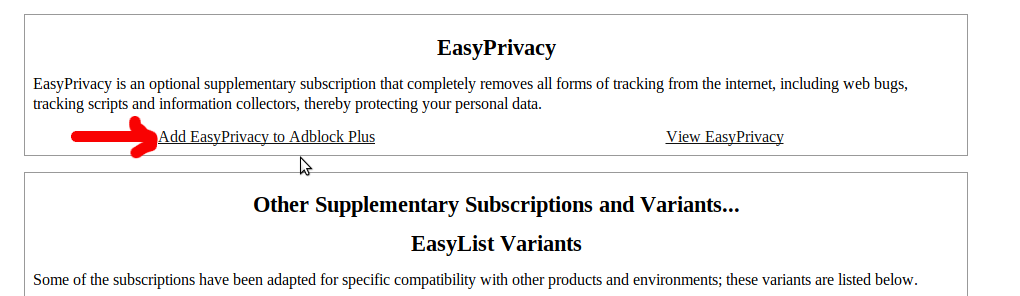
下载广告屏蔽插件。安装好之后,确认修改过滤器参数选择,添加EasyPrivacy。要添加,先登录屏蔽广告插件的网站。点击“添加EasyPrivacy到广告屏蔽插件“:

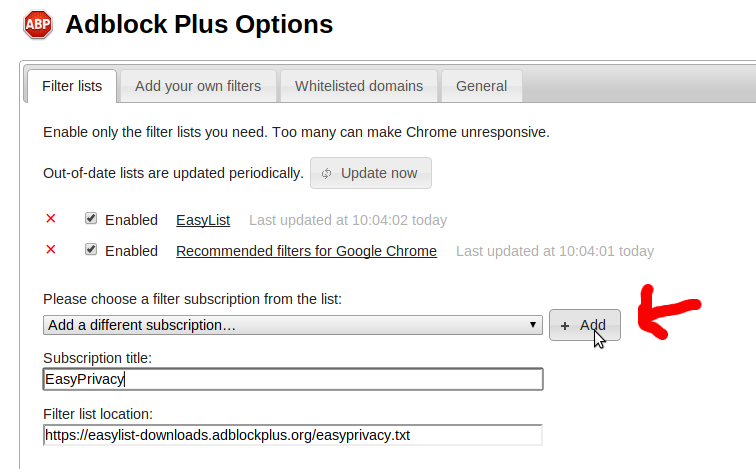
你会看到广告屏蔽插件选项界面。单击添加,就全部弄好了。

第二步:更改Cookie设置
你现在要做的是,在退出浏览器的时候停止运行Cookies,并且阻止第三方cookies被装载。做到这一点,需要找到谷歌浏览器右上角的设置菜单,如下图所示
                                    或者
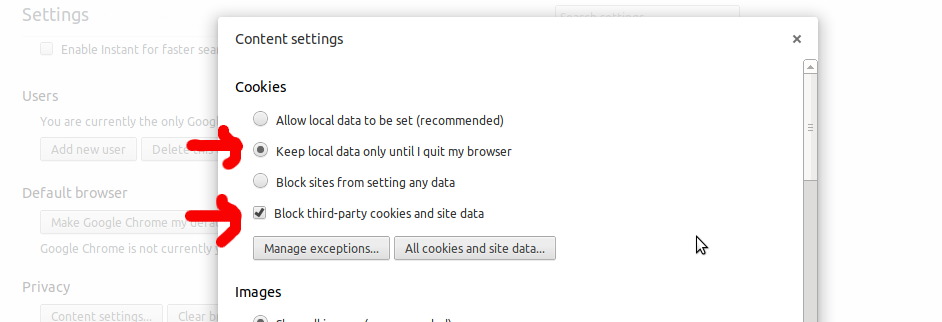
在菜单中,点击“设置”,拖到底部然后点击“显示高级选项”。在”隐私“下点击”内容设置“。选择”只在退出浏览器/当前页面之前保存本地数据“,然后核对”屏蔽第三方Cookies和地点数据“:

很好!再也不会有烦人的追踪Cookies了。

第三步:关掉Referers
这个著名的错拼的页眉被代表性地违约发送,在每个HTTP的要求下给网站提供了很多潜在的个人信息。但是你可以关掉它。要做到这一点,需要安装Referer Control的扩展文件。安装之后,拖到底部,找到”对所有网站不执行referer“文本然后点击”屏蔽”:

噔噔!不会再有referers了。

第四步:随处安装HTTPS
安装EFF的浏览器,在每个地方都添加HTTPS。这是对HTTPS的最充分的利用,确保你在网站上的私人谈话不能被任何人窥探或者篡改。

恭喜!你现在已经是反击烦人的私人侵扰精英团队中的一员啦。给自己一点掌声,然后把这个技巧分享给更多的人吧。

Mittwoch, 6. Februar 2013

WordPress教程:支付宝集成思路及实现


如何在WordPress程序中集成支付宝是实现WordPress电子商务化必须要突破的一个瓶颈。WordPress有很多的电子商务类插件,像比较著名的WP e-Commerce等。但这些插件唯一的缺点就是不够本地化,不支持支付宝。
或许由于WordPress支付宝集成的商业应用价值比较高,很少有人愿意将相关经验免费分享出来。还有一般WP高手都比较低调,忙着赚钱去了。在网上搜集相关资料我一无所获,除了那篇被转载了几百遍的不知谁写的所谓教程。在这里就不给链接了,因为分不清谁是原创了已经。
先说明一下:本操作需要你对WordPress模板比较熟悉并且了解WordPress自定义域相关知识、懂一点HTML和CSS。
废话不说了,下面是详细步骤。
1、 首先你要是支付宝签约商家,并申请开通担保交易或者即时到账交易,(我申请的是即时到帐)申请一般有审核期,不过支付宝工作人员的办事效率还是很高的。
2、 申请通过后你将会获得一个支付宝安全校验码(key)和一个合作身份(Partner ID)。这里是官方帮助(图文)。这两个号码非常重要,下面会用得到。
3、 登陆支付宝账户商家服务页面下载集成技术文档。或者你也可以到支付宝论坛下载。(注意:下载PHP+utf8的)。
4、 接下来是参数配置,你只需要修改alipay_config.php这个文件即可。
//合作身份者ID,以2088开头的16位纯数字
$partner= "";
//安全检验码,以数字和字母组成的32位字符
$key = "";
//签约支付宝账号或卖家支付宝帐户
$seller_email= "";
//交易过程中服务器通知的页面 要用 http://格式的完整路径,不允许加?id=123这类自定义参数
$notify_url= "http://www.yourdomain/alipay/notify_url.php";
//付完款后跳转的页面 要用 http://格式的完整路径,不允许加?id=123这类自定义参数
$return_url= "http://www.yourdomain/alipay/return_url.php";
//网站商品的展示地址,不允许加?id=123这类自定义参数
$show_url= "";
//收款方名称,如:公司名称、网站名称、收款人姓名等
$mainname= "";
5、 将修改后的文件上传至你网站的根目录,注意不要最好改变原有的目录结构和文件名称。快速付款入口模板文件(index.php)、图片、CSS样式文件夹 (images)无需上传。这两个文件可以集成到你的WordPress主题中。例如我是放在http://www.mydomain.com /alipay
6、 到这里其实万里长征已经走完第一步了,接下来就是将支付宝集成到你主题中想要的位置。比如单篇文章页面(single.php)。集成的总体思路就是利用 WordPress自定义域,将数值通过表单隐藏域或者URL参数用POST的方式传递给接口,并赋值给接口表单实现。这里有三个非常重要的参数:商品名 称、商品描述和商品价格。
WordPress集成支付宝参数一览表
注:表单name一项是支付宝官方提供的集成文件固有命名,一般不要改动。如果你水平很高例外。
7、 下面是一段代码具体示例,我把它集成到了单篇日志文件中。当然,你的WP主题最好有设计换门的商品页面模板,而不是和文章页面公用一个模板。


"  maxlength="200">
"/>
">

8、 到这里其实支付宝功能已经可以使用了。添加一篇新的文章,添加相应的自定义域,然后发布。看看是不是可以在线购买了已经?接下来就是一些美化的工作,如果你精通CSS,精通HTML表单设计,精通JQURY,可以让支付更美观更安全。
9、 如果你还有精力,可以考虑将支付宝集成功能做成插件,完善相关配置选项,实现WordPress后台订单查询及跟踪。这都是可以实现 的,WordPress完全有潜力打造成一个比ECSHOP或者SHOPEX还想打的在线网店,而且在搜索引擎优化方面的表现会比后两者更佳。

Donnerstag, 4. Oktober 2012

各大银行网银转账手续费一览表


各大银行网银转账手续费一览表


Samstag, 13. August 2011

Nero 10 注册

把文件解压,然后复制AdvrCntr5.dll到

C:\Program Files\Common Files\Nero\AdvrCntr5覆盖,

以管理员的身份运行AdvrCntrReg批处理文件,再把序列号:

9X13-0183-H4K2-CEE3-0UK4-UEXE-C100-00W0。

1K00-4166-99X9-2A6K-33E1-6M0A-8E0C。

KC00-9039-1983-284A-2A45-6MA6-EKMX

添加进去就可以了,经测试vista32,windows732上nero10白金版10.5 10.6都能破解而且非常稳定,成功不成功在这留个言,祝你好运!

压缩包下载:请阅读TXT文档

http://u.115.com/file/e6ucms0l#NERO_10_本机破解.rar

Mittwoch, 3. August 2011

如果把竞争对手的标志互换会是怎样?

Coca-Cola and Pepsi

Companies Swapped Logos

McDonalds and Burger King

McDonalds and Burger King

YouTube and Vimeo

YouTube and Vimeo

Ferrari and Ford

Ferrari and Ford

FedEx and UPS

FedEx and UPS

Google and Yahoo!

Google and Yahoo

Nikon and Canon

Nikon and Canon

Visa and Mastercard

Visa and Mastercard

Audi and BMW

Audi and BMW

Netflix and Hulu

Netflix and Hulu

Reddit and Digg

Reddit and Digg

Pizza Hut and Dominos

Pizza Hut and Dominos

Skype and Google Talk

Skype and Google Talk

Best Buy and Walmart

Best Buy and Walmart

iPhone and Android

iPhone and Android

Nike and Puma

Nike and Puma

Facebook and Twitter

Facebook and Twitter

Montag, 1. August 2011

Understanding the Git Workflow

If you don’t understand the motivation behind Git’s design, you’re in for a world of hurt. With enough flags you can force Git to act the way you think it should instead of the way it wants to. But that’s like using a screwdriver like a hammer; it gets the job done, but it’s done poorly, takes longer, and damages the screwdriver.

Consider how a common Git workflow falls apart.

Create a branch off Master, do work, and merge it back into Master when you’re done

Most of the time this behaves as you expect because Master changed since you branched. Then one day you merge a feature branch into Master, but Master hasn’t diverged. Instead of creating a merge commit, Git points Master to the latest commit on the feature branch, or “fast forwards.” (Diagram)

Unfortunately, your feature branch contained checkpoint commits, frequent commits that back up your work but captures the code in an unstable state. Now these commits are indistinguishable from Master’s stable commits. You could easily roll back into a disaster.

So you add a new rule: “When you merge in your feature branch, use –no-ff to force a new commit.” This gets the job done, and you move on.

Then one day you discover a critical bug in production, and you need to track down when it was introduced. You run bisect but keep landing on checkpoint commits. You give up and investigate by hand.

You narrow the bug to a single file. You run blame to see how it changed in the last 48 hours. You know it’s impossible, but blame reports the file hasn’t been touched in weeks. It turns out blame reports changes for the time of the initial commit, not when merged. Your first checkpoint commit modified this file weeks ago, but the change was merged in today.

The no-ff band-aid, broken bisect, and blame mysteries are all symptoms that you’re using a screwdriver as a hammer.

Rethinking Revision Control
Revision control exists for two reasons.

The first is to help the act of writing code. You need to sync changes with teammates, and regularly back up your work. Emailing zip files doesn’t scale.

The second reason is configuration management. This includes managing parallel lines of development, such as working on the next major version while applying the occasional bug fix to the existing version in production. Configuration management is also used to figure out when exactly something changed, an invaluable tool in diagnosing bugs.

Traditionally, these two reasons conflict.

When prototyping a feature, you should make regular checkpoint commits. However, these commits usually break the build.

In a perfect world, every change in your revision history is succinct and stable. There are no checkpoint commits that create line noise. There are no giant, 10,000 line commits. A clean history makes it easy to revert changes or cherry-pick them between branches. A clean history is easy to later inspect and analyze. However, maintaining a clean history would mean waiting to check in changes until they’re perfect.

So which approach do you choose? Regular commits, or a clean history?

If you’re hacking on a two man pre-launch startup, clean history buys you little. You can get away with committing everything to Master, and deploying whenever you feel like it.

As the consequences of change increase, be it a growing development team or the size of your user base, you need tools and techniques to keep things in check. This includes automated tests, code review, and a clean history.

Feature branches seem like a happy middle ground. They solve the basic problems of parallel development. You’re thinking of integration at the least important time, when you’re writing the code, but it will get you by for some time.

When your project scales large enough, the simple branch/commit/merge workflow falls apart. The time for duct-tape is over. You need a clean revision history.

Git is revolutionary because it gives you the best of both worlds. You can regularly check in changes while prototyping a solution but deliver a clean history when you’re finished. When this is your goal, Git’s defaults make a lot more sense.

The Workflow
Think of branches in two categories: public and private.

Public branches are the authoritative history of the project. In a public branch, every commit should be succinct, atomic, and have a well documented commit message. It should be as linear as possible. It should be immutable. Public branches include Master and release branches.

A private branch is for yourself. It’s your scratch paper while working out a problem.

It’s safest to keep private branches local. If you do need to push one, maybe to synchronize your work and home computers, tell your teammates that the branch you pushed is private so they don’t base work off of it.

You should never merge a private branch directly into a public branch with a vanilla merge. First, clean up your branch with tools like reset, rebase, squash merges, and commit amending.

Treat yourself as a writer and approach each commit as a chapter in a book. Writers don’t publish first drafts. Michael Crichton said, “Great books aren’t written– they’re rewritten.”

If you come from other systems, modifying history feels taboo. You’re conditioned that anything committed is written in stone. By that logic we should disable “undo” in our text editors.

Pragmatists care about changes until the changes become noise. For configuration management, we care about big-picture changes. Checkpoint commits are just a cloud-backed undo buffer.

If you treat your public history as pristine, fast-forward merges are not only safe but preferable. They keep revision history linear and easier to follow.

The only remaining argument for –no-ff is “documentation.” People may use merge commits to represent the last deployed version of production code. That’s an antipattern. Use tags.

Guidelines and Examples
I use three basic approaches depending on the size of my change, how long I’ve been working on it, and how far the branch has diverged.

Short lived work

The vast majority of the time, my cleanup is just a squash merge.

Imagine I create a feature branch and create a series of checkpoint commits over the next hour:

git checkout -b private_feature_branch
touch file1.txt
git add file1.txt
git commit -am "WIP"

When I’m done, instead of a vanilla git merge, I’ll run:

git checkout master
git merge --squash private_feature_branch
git commit -v

Then I spend a minute writing a detailed commit message.

Larger work

Sometimes a feature sprawls into a multi-day project, with dozens of small commits.

I decide my change should be broken into smaller changes, so squash is too blunt an instrument. (As a rule of thumb I ask, “Would this be easy to code review?”)

If my checkpoint commits followed a logical progression, I can use rebase’s Interactive Mode.

Interactive mode is powerful. You can use it to edit an old commits, split them up, reorder them, and in this case squash a few.

On my feature branch:

git rebase --interactive master

It then opens an editor with a list of commits. On each line is the operation to perform, the SHA1 of the commmit, and the current commit message. A legend is provided with a list of possible commands.

By default, each commit uses “pick,” which doesn’t modify the commit.

pick ccd6e62 Work on back button
pick 1c83feb Bug fixes
pick f9d0c33 Start work on toolbar

I change the operation to “squash,” which squashes the second commit into the first.

pick ccd6e62 Work on back button
squash 1c83feb Bug fixes
pick f9d0c33 Start work on toolbar

When I save and close, a new editor prompts me for the commit message of the combined commit, and then I’m done.

Declaring Branch Bankruptcy

Maybe my feature branch existed for a very long time, and I had to merge several branches into my feature branch to keep it up to date while I work. History is convoluted. It’s easiest to grab the raw diff create a clean branch.

git checkout master
git checkout -b cleaned_up_branch
git merge --squash
git reset

I now have a working directory full of my changes and none of the baggage from the previous branch. Now I manually add and commit my changes.

Summary
If you’re fighting Git’s defaults, ask why.

Treat public history as immutable, atomic, and easy to follow. Treat private history as disposable and malleable.

The intended workflow is:

Create a private branch off a public branch.
Regularly commit your work to this private branch.
Once your code is perfect, clean up its history.
Merge the cleaned-up branch back into the public branch.

“苹果树”: 苹果35年产品总览

Freitag, 29. Juli 2011

温州动车无名氏诗

电闪雷鸣雨漂泼,
动车脱轨鹿城泣。
凡多美梦碎断途,
一众哀思挂残车。
骤雨易洗两行泪,
盛夏难暖半颗心。
匆匆别吻情犹在,
悠悠离恨潮已生。

Donnerstag, 28. Juli 2011

第一个 HTML5 Fullscreen Video

昨天Jilion Team发布了全世界第一个可以全屏的HTML5视频, 正如在"HTML5的热潮正在迅速到来"里所描述的那样,FLASH即将被HTML5取代。这个视频的发布无疑是这一视点的力证。
日前这一视频可以在Safari 5.1顺利播放,不过Chrome和Firefox应该同样支持。
还等什么一起来看一下

如果你在视频上点击右键,可以在普通FLASH和HTML5之间切换,看看是否有什么不同吧。

原文地址:
http://blog.jilion.com/2011/07/27/world-s-first-true-html5-fullscreen-video

Mittwoch, 27. Juli 2011

HTML5的热潮正在迅速到来

最近几个月人们一直在说,HTML5现在变得非常重要。上周五公布的新数据表明,HTML5的应用不只是会变大,而且将变得巨大的 - HTML5的热潮将迅速到来。

到2016年将超过2.1亿移动设备配备HTML5浏览器,而2010年才仅有109万。根据由市场调研公司ABI Research新报告。这一增长的大部分将得益于苹果大量支持HTML5的平台。根据这项研究,苹果也将可能是这项技术大规模采用的最大受益者之一。
因为苹果拥有这么多相关的控​​制软件和设备,当在未来几年HTML5的新功能不断涌现的时候 ,这些软件和设备将使得这些功能得以充分利用,

在任务行业,有一个胜利者,通常都会有一个失败者。 HTML5可以在很大程度上将取代Abobe专有的FLASH技术。HTML5的迅速上升可能会在短期内就影响到Flash。 正如ABI高级分析师Mark Beccue说:“我认为FLASH的消失会比人们想象的更快”。

HTML5的快速增长迫使
万维网联盟(W3C)考虑尽快确定HTML5标准,标准正式预计2014年年完成。但是在标准确立之前,HTML5的开发和部署并不会停滞不前。

事实上Facebook和Google都加快了HTML5的开发,Facebook的首席技术官布雷泰勒(
Bret Taylor)说,他的公司目前已对HTML5项目进行了巨额投资。而谷歌最近推出了其第一个涂鸦网页刚完全由HTML5语言写成。看来HTML5已经无处不在。还等什么,现在就开始HTML5吧。

原文地址:
http://gigaom.com/2011/07/22/the-html5-boom-is-coming-fast/

Freitag, 22. Juli 2011

4个邮件模板帮助你搞定35万美元天使投资

如何让你和你未来的投资人的之间的邮件往来不再COLD,用下面4个模板也许会让你事半功倍。注意每一个模板之后都有作者的提示,虽然只是英文模板,但稍加改动也可以成为你的中文邮件模板。

原文如下:

Over a three month period, I raised an "advisory round" for my early stage startup from the likes of Esther Dyson, Dave McClure, Eric Ries, Josh Baer and others. During the fundraising process, I met a ton of investors both through soft introductions, straight out stalking and also through AngelList.

In the end, I ended up raising $350k (my goal was $250k, I was oversubscribed) and I managed the entire fundraising process over email using these key templates. Now, you can use them too to raise money for your startup.

Keep in mind that these templates do not replace the "soft intro" or the initial conversation where you talk to an investor and pique their interest. In my limited experience in fundraising, COLD CALLING and COLD EMAILING generally does not work. So get that "soft intro" first, or connect over AngelList and then start with the first template.


Initial Investor Connection

Here's the info you requested about {{product_name}}...

Hey {{first_name}},

Here's the info I promised you about {{Company Name}}:

  1. I've attached a short PDF that gives an overview about {{product name}}.
  2. Also, if you'd like to check out {{product name}}, here are two QUICK ways to take it for a test drive: 1) Check out our demo: {{link to demo}} 2) Check out our demo video: {{link to demo video}}.

Once you've checked out the PDF and the Demo, I'd love to get on the phone with you or meet in person to tell you more about the business.

Please let me know TWO times that work for you and I'll schedule it.

Thanks in advance,
{{link to your product with tag line}}

You should send this email after the first introduction or conversation you have with a potential investor. The goal of this email is to further pique the investor's interest with key pieces of information and push for an actual meeting where you can talk details.

Things to note:

  1. You're not sending your actual Pitch Deck here. You're just sending a ONE PAGE PDF that gives a simple overview of WHO YOU ARE, and WHAT PROBLEM YOUR PRODUCT SOLVES.
  2. Make the demo link as SIMPLE AS POSSIBLE. Don't require a log in. It should be a simple link that puts them into the "in app" experience.

AngelList Intro Response

Re: AngelList Intro with {{product name}}

Dear {{first_name}},

Thank you for reaching out to us through AngelList (http://angel.co/tout). For starters, I've attached the latest version of our pitch deck which provides a solid framework of our
business in about 7 slides.

After reviewing the deck, if you feel there may be a good fit, then please let me know THREE time blocks over the next three days (weekends are fine) during which we can talk on Skype or meet so that we can get to know each other better.

Thanks in advance,

I love AngelList, we raised a good portion of our round through there. However, the toughest thing for me was figuring out what to do AFTER someone requested an intro.

The goal of this template is to build on the information already on your AngelList profile and get the person that clicked on the "Intro" button to review some more detailed information and get them to convert to an actual meeting.

Note that at this point, we're including the actual pitch deck with the assumption that they already checked out a demo of your product from your AngelList profile and already learned about the basic information (and more) that the PDF OVERVIEW would have.


Deal Terms and Details

Here are the details on {{product name}}'s fundraising round

Hello {{first_name}},

This email contains all of the details you need to get in on {{product name}}'s seed round which is set to close at the end of {{Month}}.

In this email, I've included all of the important pieces of information:

  1. I've included the latest version of our Pitch deck.
  2. I've attached both the term sheet and the actual note for your review. The basic terms are {{key summary items of terms}}
  3. So far, we have the following people in {{committed OR in the pipeline}} on this deal: {{list of names that people recognize -- social proof}}.

Please call me on my direct line: {{your direct phone number}} when you are ready. Keep in mind that we are closing this round at the end of {{Month}}.

Thanks,

After you've had your initial meeting, you should use this template to follow up and give the Investor ALL of the pertinent information including the social proof and sales pressure necessary to close this deal.

Close the Deal!

{{product name}} Investment: Let's Close this Deal!

Dear {{first_name}},

I'm extremely excited to be bringing you on as an Investor for {{product name}}. As I mentioned before, we are set to close this round of fundraising in {{X}} days.

There are two things you need to do to close this deal:

  1. In a moment, I'll be sending you the actual Note in electronic form (through RightSignature). Please review and sign electronically so we can execute the agreement.
  2. Please reply to THIS email and send me your official mailing address. Our law firm needs this to ensure all necessary regulatory filings are done properly.

Please call me directly if you have any questions: {{Number}}.

Thanks

Even if you get a commitment from an investor, it still takes some prodding to close the deal. The goal of this Email template is to remind them that the round is closing and that they are either IN or they are OUT.

It also addresses some of the key logistics around "closing the deal.